Cool Roof Coatings: Do They Make Sense in Winnipeg?
Every July, someone in Winnipeg stands on a blistered black roof and wonders which is hotter, the membrane or the coffee in their thermos. The answer is usually the roof, at least until a cloud drifts in. That visual sums up why cool roof coatings get so much attention. They reflect sunlight and radiate heat better than dark surfaces, which can knock surface temperatures down by dozens of degrees and help the building below feel less like a toaster. Simple idea, big promise.
But Winnipeg is not Phoenix. We swing from plus 35 C down to minus 35 C, and the snow sets up camp for months. So, do cool roof coatings make sense here, or do they just look shiny on a spreadsheet? I’ve managed projects across prairie climates and worked with a few crews who can smell rain hours before the radar catches it. Here is what the results look like when you translate the brochure into our streets, our snowpack, and our mix of old brick warehouses and new tilt-up boxes.
What a cool roof coating actually does
A cool roof coating is a field-applied layer, usually white or very light, designed to increase solar reflectance and thermal emittance. Reflectance is the percent of sunlight it throws back into the sky. Emittance is how efficiently it releases absorbed heat. Combine the two and you get SRI, the solar reflectance index. New white coatings often test in the 80 to 110 SRI range, while aged black membranes can sit closer to 0 to 10. On a sunny 28 C day, a dark low-slope roof can climb to 70 to 85 C at the surface. A quality cool coating on a similar substrate can hold closer to 40 to 50 C. That 20 to 35 degree drop changes everything from indoor cooling load to membrane stress, and even how often the HVAC tech burns a wrist on a condenser shell.
Most cool roof systems are designed for low-slope commercial roofs. You will see them on modified bitumen, built-up roofs, and single-ply membranes like EPDM, TPO, or PVC. You can also coat metal, but the details differ. The main chemistries on the market are water-based acrylics, moisture-cured silicones, and a handful of urethanes and SEBS blends. Each has quirks that matter in Winnipeg’s freeze-thaw regime.
Winnipeg’s climate, the short version that matters to a roof
We build for cold and wind here. From late November through March, average highs hang below freezing, and long stretches dip well under minus 20 C. Snow loads are real, and ponding water turns to ponding ice without apology. Spring is quick. Summer brings a handful of heat waves where nights may not cool much below 20 C. What that means for a roof:
- Winter has snow cover that insulates the membrane and blocks sunlight, so a high-reflectance coating does little here for energy. That is not a strike against it, just a fact of shading.
- The swing seasons create condensation traps if a roof is under-ventilated or the vapor retarder is poorly detailed.
- Summer sun is strong, and dark roofs soak it up, which taxes older buildings that already struggle with cooling capacity.
If you live in Tuxedo under a mature canopy, or in a converted Exchange District brick building with big south windows, you know that cooling demand is not a Phoenix tragedy. It is still real. The longer you run packaged units hard on 33 C afternoons, the more you pay, and the faster bearings fail.
The Winnipeg roofing reality check
In winnipeg roofing work, we spend about as much time reconciling materials with weather windows as we do swinging mop handles. Coatings need dry substrates, stable temperatures, and a curing period that is not hijacked by dew. Our dew point swings can be aggressive in late May and early September, which is why the best coating crews track humidity like farmers track soil temp.
Compared to a full tear-off, coatings are relatively gentle. They can add life to a roof with marginal wear if the substrate is intact, seams are tight, and saturated insulation is not hiding under the deck. That last part is critical. I once surveyed a warehouse near St. Boniface that looked perfect from above. Seam patches held, granules were modestly worn. Infrared that evening showed three big wet lakes under the cap sheet. A coating over that roof would have baked those wet spots, raised blisters in the first hot week, and put us back up there cutting cores by August. We tore half and coated half, and both halves paid off in their own way. On paper, a uniform coating looked neat. On the roof, reality looked like patchwork, then it settled into a tidy system you could be proud of.
Energy savings and the heating penalty
Cooling savings depend on your building and your roof. For big-box retail on a single story with lots of roof relative to floor area, cool coatings can shave peak summer kW demand and cut seasonal cooling by 10 to 30 percent. That is a broad range because insulation, equipment efficiency, and occupancy run the show. A small office with a pitched shingle roof barely notices. A 100,000 square foot low-slope with R-20 above deck, multiple rooftop units, and long summer hours will notice.
What about winter? A reflective roof can, in theory, add to heating demand in the shoulder months when sun hits a dark roof and does a little free solar gain. In Winnipeg, the effect is smaller than the summer cooling benefit on buildings that actually use air conditioning, for three reasons. Snow covers the roof for a chunk of the cold season, which erases the color difference. The sun sits low and days are short when you need heat. And if you have decent insulation, the fraction of heat that sneaks through the roof assembly is not large enough for roof color to make or break the gas bill. You still account for it in the model, especially for buildings with poor insulation or no snow cover thanks to wind scour. For most commercial low-slope buildings with at least R-20 to R-30 above the deck, the math tips toward net summer gain outweighing any winter penalty.
The bigger benefit, and one I see underappreciated here, is peak load reduction. On a 34 C afternoon with sticky humidity, a reflective roof lowers rooftop ambient around condensers and reduces membrane heat soak. That can pull your head pressure down and give older units a chance to hit setpoint without short-cycling to death. Even if your total seasonal savings are modest, that drop in peak load brings comfort and fewer angry tenant calls.
Which coating types fit our climate
Acrylics perform well in dry, sunny conditions and offer high reflectance with good color stability. They struggle in areas with chronic ponding water, and they need warm, dry cure windows. In Winnipeg, acrylics are fine on roofs with good drainage and a contractor who is honest about forecast and dew point. They are budget friendly and easy to recoat in 8 to 12 years.
Silicones like ponding water and shrug off UV. They remain flexible at low temperatures and can handle freeze-thaw well. The catch is dirt pickup, which can reduce reflectance over time, and more careful prep, especially on single-ply membranes where primer choice makes or breaks adhesion. Good silicones cost more up front but often hold up best where scuppers are undersized or the deck is not dead level.
Urethanes and hybrid systems reward foot traffic resistance. If your roof is a walkway to six rooftop units and a service ladder that gets tested every week, a urethane top or a silicone over a urethane base coat can handle the abuse. They also tolerate hail better, though nothing you roll on truly laughs off big prairie hail. If golf balls fall from the sky, you may be calling your insurer no matter what you applied.
SEBS and asphaltic emulsions have their fans for restoring aged built-up roofs, especially when granule retention has thinned but plies are still bonded. They need sun to cure and careful thickness control to avoid soft spots in cooler weather.
If you ask me to choose without seeing the roof, I am guessing. Get cores cut. Evaluate drainage. Test adhesion on site. Then choose the chemistry that matches the substrate and the worst condition on the roof, not the best.
Installation windows and the curse of dew
Coating manufacturers give cure temperature minimums. Many water-based products call for ambient and surface temperatures above 10 C, both during application and for a set period after, often 24 to 48 hours, without dropping below the dew point. We can meet that in Winnipeg from late May through early September. The trick is scheduling around thunderstorms and overnight dew that hangs on metal edges until 10 a.m. Put a coating on a surface that crosses the dew point mid-cure, and you can wake to blushing, pinholes, or a gummy surface that skates under your boots. Good crews chase the shade, start later, and use moisture meters to confirm dryness at suspect spots.
Silicones are more forgiving on moisture but still punish sloppy prep. You cannot paint over a film of chalked-out EPDM dust and expect miracles. Pressure-wash, allow to dry, prime where needed, then topcoat. On metal, tight fasteners and rust treatment matter as much as the coating itself. A bright white membrane over loose screws is fake news. The first wind gust will narrate the truth.
Costs, warranties, and the math that should drive your choice
Expect a decent commercial coating project in Winnipeg to land in the 3.50 to 7.00 CAD per square foot range, depending on substrate condition, chemistry, coating thickness, and details like parapets, curbs, and penetrations. That is often half or less of a tear-off and full replacement, especially if you are hauling off multiple wet insulation layers.
Manufacturer warranties for coatings typically run 10 to 20 years, tied to specified mil thickness and sometimes to the contractor’s certification level. Read them. Some cover only material, some prorate, some require maintenance inspections. Roofers like me will always tell you the best warranty is the one you never need. That is fancy talk for good prep, correct mils, tight details, and gutters that do not spit their load back onto the same 10 square feet by the scupper.
Will the project pay back in energy alone? Sometimes. On a big, lightly insulated, cooled building with high summer hours, yes. On a well-insulated office with limited cooling load, maybe not. But coatings rarely sell themselves on energy alone here. They sell on life extension, leak reduction, lower rooftop temperatures that are kinder to HVAC, and a maintenance plan that does not require you to budget for a tear-off in the next five years. If energy savings help the ROI pencil out faster, that is gravy.
What snow does to a cool roof
Snow levels the playing field more than people think. White coating or black membrane, once you carry a few inches of snow, your roof is reflecting light and insulated by the snow itself. A common question is whether a white roof delays melt in spring. The surface under the snow is less relevant than sun angle, ambient temperature, and how wind scours drifts. I have seen white coated roofs with faster melt in high-wind zones because turbulence scrubs the surface. In protected courtyards, both white and black roofs hang onto snow longer. If ice dams are part of your life, color is not your first lever. Air sealing, insulation continuity, and drainage rule that conversation.
One upside that matters in March and April is foot traction. Some acrylics get slick with meltwater if dirt films build up. Silicones can be slick by nature. Elastomeric urethanes with broadcast granules give better grip. If your maintenance team walks the roof in shoulder season, consider traction in the spec.
Aging, dirt, and reflectance you actually keep
A coating looks stunning when the crew peels the caution tape. The number that matters is aged reflectance. Dirt accumulation, algae, and airborne soot will dull the brightest white. That reduces reflectance, but not to zero. A decent maintenance plan that includes gentle cleaning every couple of years can preserve a good chunk of the benefit. Avoid pressure washing membranes at full blast. You can drive water into seams and lift granules off modified bitumen. Think low pressure, appropriate detergents, and patience.
Silicones resist UV and ponding well but pick up dirt more visibly. Acrylics stay cleaner looking but resent ponding. Both can be recoated to refresh reflectance and extend warranties. That recoat cycle is a feature, not a bug, if you budget for it at year eight or ten.
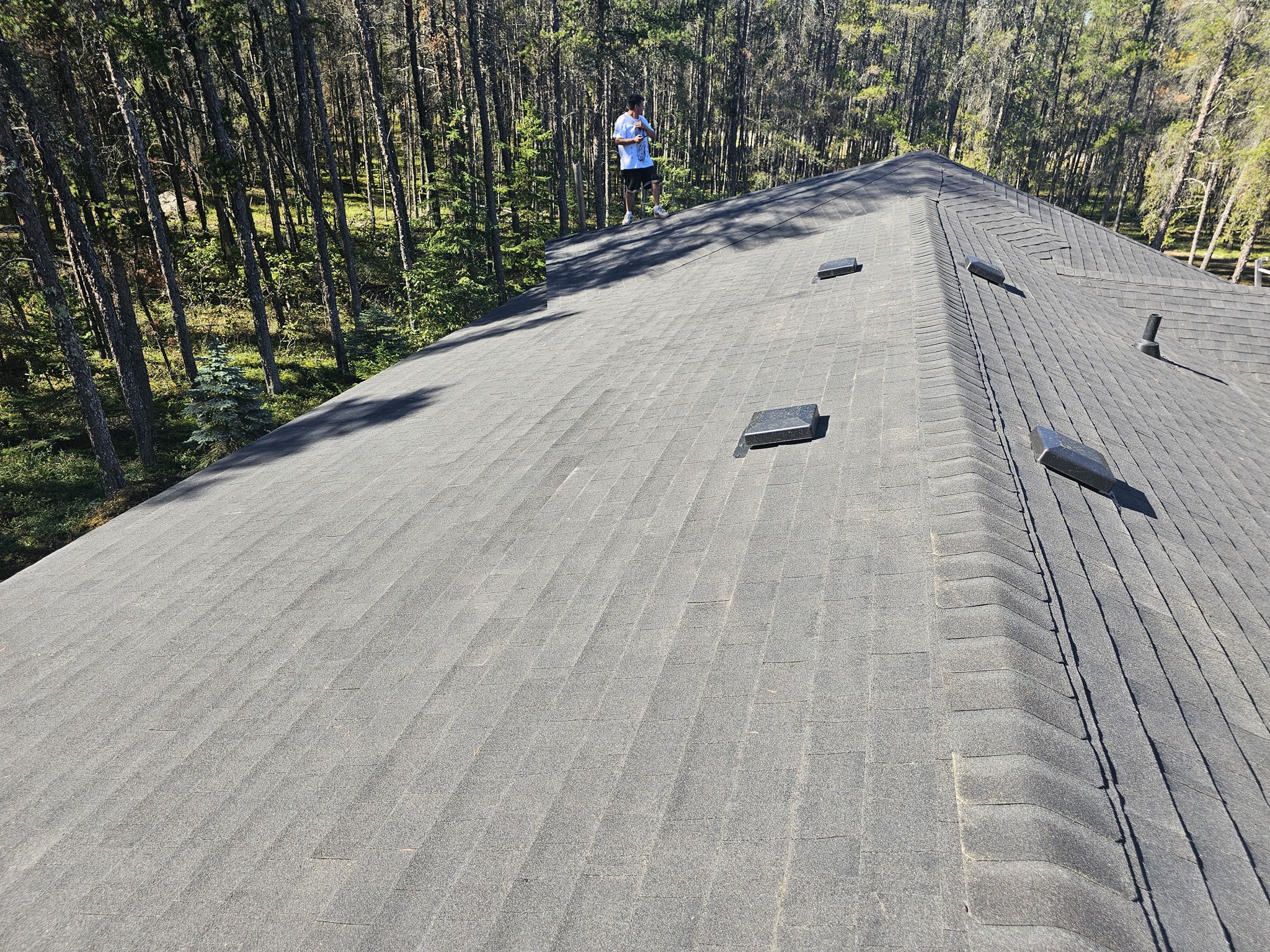
Hail, foot traffic, and the prairie beating
Hail finds us. Coatings are not armor plating. They can absorb minor impacts and protect granules or seams, but they will not prevent bruising in insulation or dents in metal. If your building sits in a hail alley, talk to your insurer about impact-rated assemblies above the deck. For day-to-day abuse, specify walkway pads around units and along common routes. I have watched countless service calls, and the path techs take is the one easiest to track with a mat. They step where the mat is, and the membrane thanks you.
Moisture, vapor, and the risk nobody sees until January
Winnipeg’s deep cold amplifies vapor drive from inside to out. If a roof assembly lacks a good air and vapor retarder, warm indoor air migrates upward, hits a cold plane, and condenses. A coating on top does not cause that, but it can make it harder for the assembly to dry upward if you choose a very low-perm system. Most elastomeric coatings are not true vapor barriers, but the stack-up matters. If you are restoring a roof that already had condensation issues, solve the physics before you beautify the top. Core the roof. Look for frost lines, wet insulation, darkened felts. You cannot coat your way out of a building science problem.
Real outcomes from familiar buildings
A logistics warehouse near the Perimeter had a 140,000 square foot modified bitumen roof, 12 years old, drains a touch shallow at the southwest corner. We cleaned, repaired blisters, addressed three wet areas with targeted tear-off, then put down an acrylic system at specified mils over two coats, with a silicone patch in the one chronic pond by a scupper. Peak summer roof surface temps dropped from mid 70s C to high 40s C on clear days. The client reported two things that mattered to them. First, a 12 to 15 percent reduction in summer kWh on comparable weather weeks. Second, fewer nuisance leaks in heavy rain, which they attributed to the prep and seam work as much as the coating. Winter bills looked the same as before, within normal variation. They plan a recoat at year ten and rolled the cost into their capital forecast.
A three-story office over retail on Corydon with a black EPDM roof saw less dramatic utility savings because their cooling hours were shorter and interior loads lower. Still, tenant complaints on the third floor dropped during heat waves, and rooftop unit cycling calmed down. The owner liked that the work happened without tenants losing a day of occupancy, which would not have been true with a full tear-off.
When cool coatings do not make sense
There are cases where I advise against coatings even when a client is excited by the reflectance pitch. If the roof is at the end of life with systemic wet insulation and failing seams, restore is lipstick. If the deck is steel with corrosion at flutes and fasteners showing daylight in spots, structure beats shine every time. If access is impossible during the right weather windows, you risk half measures that never cure as intended. And if you own a small gable roof with asphalt shingles, a white coating is not a cure. Shingles are not designed to be coated, and you will void warranties while creating a mess that future crews will curse you for.
What to ask a contractor before you green-light it
Here is a simple preflight set that helps every owner, whether you manage a single warehouse or a portfolio.
- What is the condition of the existing assembly, verified by core cuts and, if needed, infrared? Show me the wet map.
- Which coating chemistry are you proposing, and why does it match my ponding, substrate, and foot traffic?
- What prep, primers, and detail work are included, and what mil thickness at finish are you warranting?
- How will you schedule around dew point, cure windows, and the risk of pop-up storms?
- What is the maintenance plan and recoat path, including traction strategies around equipment?
Those five answers separate a shiny sales sheet from a durable result.
Permits, codes, and incentives
Coatings that do not alter the roof’s load or fire classification usually do not trigger the same permit burden as full replacements, but local requirements vary. Confirm with the City of Winnipeg if any part of your plan changes drainage, parapet height, or penetrations. For incentives, Efficiency Manitoba and related programs have, at times, offered support for envelope and HVAC measures. Roof coatings may or may not qualify, often depending on whether modeled energy savings meet thresholds. It is worth a call, but do not bank your budget on free money.
The urban heat island side effect
Cool roofs are sometimes promoted for community cooling. In dense parts of the city with lots of dark surfaces, broad adoption of reflective roofs can shave a degree or two off localized outdoor temperatures on hot afternoons. In practice, your one roof will not tip the climate, but every bit helps. More relevant to your building is that rooftop workers, from HVAC techs to solar installers, face less punishing conditions on white surfaces. I have stood next to condensers on black roofs and watched tools cook. White roofs are simply friendlier worksites in July.
Pairing with solar PV
If you are considering solar, a cool roof is a good prelude. Lower roof surface temperatures can help PV modules operate more efficiently, and the coating extends roof life so you are not stuck pulling arrays in year eight to replace a failing membrane. Just ensure the coating you choose plays nicely with standoff posts or ballasted racking details. Silicone’s dirt pickup can matter under arrays, where washing is awkward. Acrylics need drainage confidence where ballast shades and concentrates snow. Talk through it ahead of time.
So, does it make sense here?
Yes, with the right building and the right execution. In Winnipeg, cool roof coatings are not a climate mismatch. They are a targeted tool. They shine on large, low-slope roofs with at least moderate cooling loads and a roof assembly that is fundamentally sound. They help with peak summer comfort, can trim energy bills, and https://roofhub-t-i-k-g-5-3-0.raidersfanteamshop.com/ extend the life of aging membranes without the disruption of a tear-off. Winter does not erase their value, it just shifts where it shows up. The snow gives you a few months off from reflectance, and that is fine. Your roof is not tanning in February anyway.
If you are weighing the choice, start with a sober roof assessment, not a color swatch. Match chemistry to conditions, respect our dew winnipeg roofing points, and budget for a recoat down the road. Do it that way, and your building will feel less like a griddle in July, your maintenance calls will run smoother, and your capital plan will breathe easier. That is a smart outcome in any city, and it suits ours just fine.
Canadian Crafted Roofing And Renovations
314 Bond St, Winnipeg, MB R2C 1X5
+12042217663
https://cancrafted.ca/
Facebook